Here at Neighbors For Change, we don’t endorse candidates prior to Primary Elections. We believe in providing voters with information so they can make informed decisions. But many organizations, political and non-political offer candidate endorsements early on to candidates who they believe best represent their interests. We asked this question because so many powerful Democrats and the DCCC endorsed candidate Shannon Taylor immediately following her campaign announcement.
With regard to primary elections, do you believe organizations of all kinds should remain neutral and avoid endorsing or providing money/resources to any of the candidates before they get on the ballot? Why or why not?
Salaam Bhatti
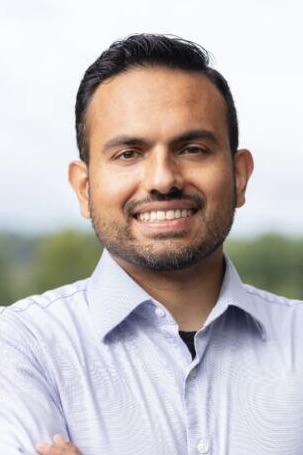
As of late 2025 , support for Democrats in Congress was at 17%. I don’t believe any facet of the party is in a position to confidently endorse candidates. The Democratic Party must remain neutral and elected officials must avoid endorsing or hosting fundraisers. Instead, they should use their infrastructure/resources to host forums, debates, petition signing events – which some would call democracy.
This is being modeled by the county parties. If a candidate is strong, they
can win on their own merits. The party would do better to trust the voters. In the interim, the party should raise funds for whoever wins the primary, showing that it is committed to helping whoever the people choose instead of who their donors choose.
Tim Cywinski
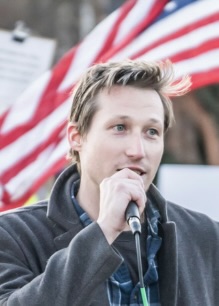
As someone who works in nonprofit advocacy, I understand the reasoning behind neutrality in primaries — particularly the desire to maintain relationships and ensure access regardless of the outcome.
That said, I respectfully disagree with a blanket approach to non-endorsement. Organizations exist to advance specific values and priorities, and primary elections are one of
the most important opportunities to make those values clear. Thoughtful, transparent endorsements can help voters better understand where candidates stand and what’s at stake.
I also don’t believe candidates should be discouraged from working with organizations that didn’t endorse them. If anything, that should be an opportunity for reflection and engagement — to better understand how to earn that support in the future. I’ll be honest that my perspective may come across as self-serving as a candidate, but it’s rooted in something broader: I believe our politics works best when people and organizations
are willing to be clear about what they stand for. Voters deserve that clarity, and it ultimately leads to stronger accountability on all sides.
At the end of the day, whether an organization chooses to endorse or remain neutral, what matters most is that the process is transparent, fair, and grounded in its mission. But the stakes in 2026 are incredibly high — and if there’s ever a moment to move beyond the old political
playbook and embrace a more values-driven approach, it’s now.
Elizabeth Dempsey Beggs
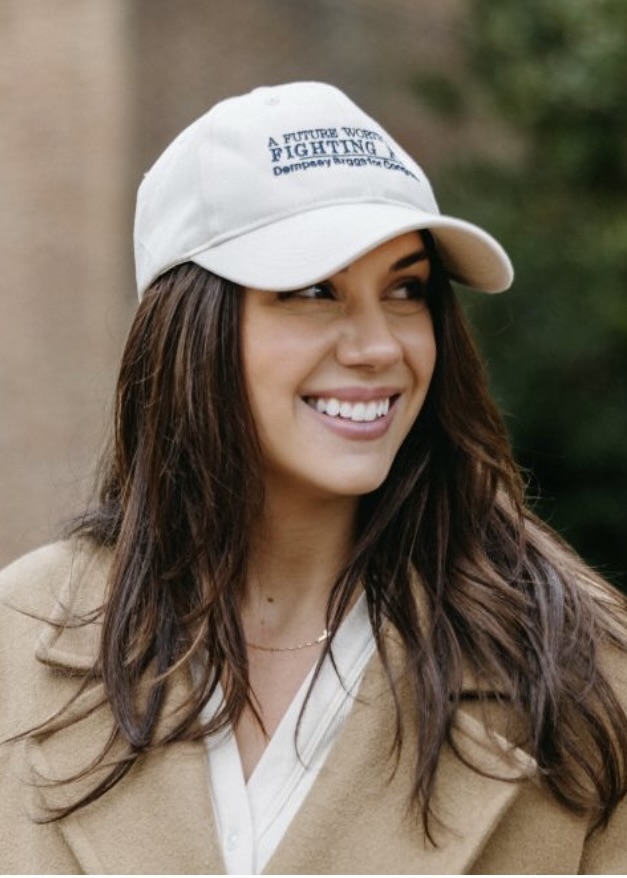
I do believe organizations can and should participate in primary elections, but only if they do so in a fair and responsible manner. Primaries are an essential part of the democratic process because they give voters the opportunity to shape the future of their party and their
representation. Too often people feel like they are choosing between the lesser of two evils in a general election, and strong primaries help ensure voters have real choices about who
represents them.
If organizations choose to engage in primaries, that engagement must be thoughtful and principled. Decisions should not be based primarily on fundraising ability, name recognition, or pressure from larger political actors. Instead, organizations should take the time to research the issues, interview every candidate, and evaluate their qualifications and ideas. From there, they can offer guidance to the communities that trust them, sharing their
perspectives on the candidates and, when appropriate, making endorsements.
Done correctly, this process strengthens democracy by helping voters make informed decisions rather than narrowing their choices before the public has had a chance to weigh in.
Jason Knapp

My concern here isn’t about outside organizations — it’s about the party itself.
What we are seeing in this race, and in races across the country, is the DCCC actively recruiting candidates, restricting endorsements, and tilting the playing field before a single vote is cast. That is not how a democratic primary is supposed to work. And it is one of the reasons so many voters feel like the party isn’t listening to them — because in too many cases, it isn’t.
The Democratic Party has a habit of protecting its preferred choices over its best ones. Sometimes that means blocking candidates who can’t be controlled by party leadership the way Washington wants. Sometimes it means promoting candidates who were simply “next in line” regardless of whether they can actually win a general election. Both patterns are damaging — to the party, to the process, and to the voters who are supposed to be making these decisions.
I believe in a fair, open primary — not because organizations don’t have the right to endorse, but because there is a meaningful difference between an outside group weighing in and the party apparatus putting its thumb on the scale before voters have even been heard. When the DCCC clears a field or locks down endorsements early, it isn’t protecting the party. It’s protecting a choice the party made without the voters.
Democratic voters are smart. They know when the process is being managed for them rather than run by them. If we actually trust our voters — and I do — then we should be willing to let them choose. My 8,000 donors already have. That’s the kind of campaign that wins in November, and that’s the kind of representative this district deserves.
Ericka Kopp
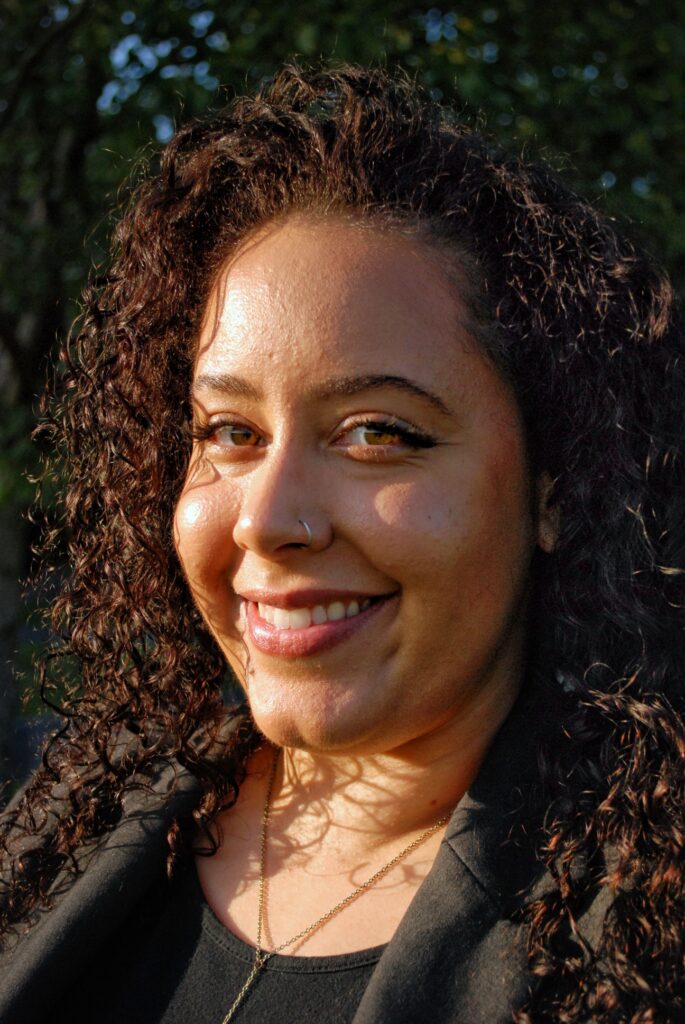
I firmly believe that primary elections are democracy in action. They give people an opportunity to choose the candidate who best reflects their values. I would much rather organizations remain neutral and avoid endorsing or giving money/resources to primary candidates before they get on the ballot because it then becomes less about the candidate and more about the organization throwing its weight behind a candidate.
No candidate is guaranteed to be the people’s choice until the people choose. Major organizations putting their thumb on the scale for one candidate in a multi-candidate primary undermines the people’s choice and the democratic process as a whole.
Shannon Taylor
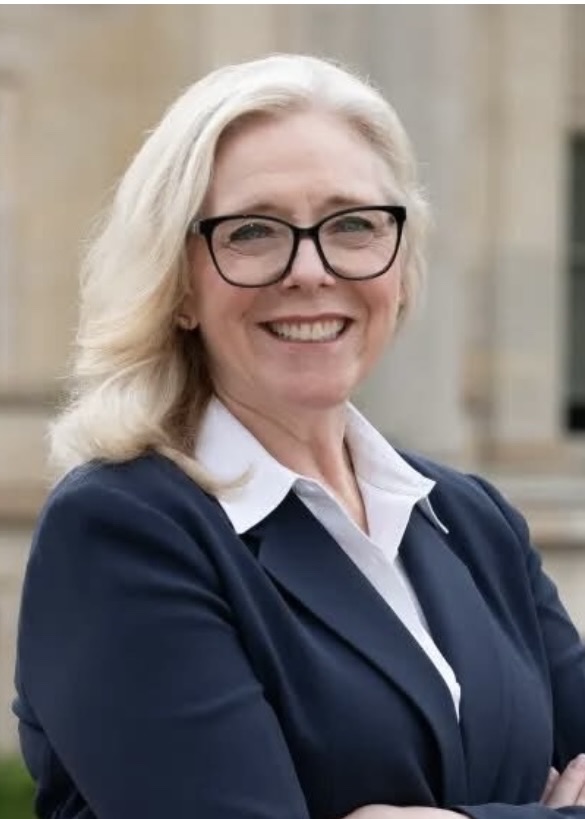
Shannon Taylor’s campaign has declined to participate in questionnaires.
You can learn more about Shannon on her campaign website.
Mel Tull

Individuals have every right to support candidates they believe in.
Party organizations, on-the-other-hand, should remain neutral in primary elections. Voters (not party insiders), should decide who the nominee is, especially in a race
like this with multiple qualified candidates offering different perspectives.
I believe it was a mistake for the DCCC to endorse a candidate so early in this race. We didn’t even know what the districts would be yet, or what candidates would run in each district. When national organizations step in before voters have had a chance to fully evaluate the field, it can create the perception that the outcome is being preordained by party elites in Washington, rather than decided by the people in the district.
In a district like ours, where winning requires building trust across a broad coalition, it’s especially important that the process feels open, fair, and locally driven. A neutral primary allows candidates to compete on ideas, experience, and their ability to connect with voters. It also produces a stronger nominee who has earned that support and is better positioned to unify the party and win the general election.
At the end of the day, I trust the voters of this district to make that decision.
Take Action
- Research candidates and their positions on issues you care about by going to their websites and social media pages. Stay Tuned for more candidate responses to questions in our future newsletters.
Learn More
- Read more from the candidates “In Their Own Words…”
- Candidate Overview
- Legislative Agenda
- What Differentiates Me
- What Keeps me Going
- Congressional Authority Over War Powers